Why Comprehensive Evaluation Matters Before Extraction
Some teeth simply can’t be saved with routine treatments like fillings or crowns — particularly when decay, trauma, or periodontal disease has compromised the tooth structure beyond repair. In these cases, extraction may be the best medical option to protect your overall oral health.
Key reasons a tooth might not be savable:
- Severe decay that has destroyed most of the tooth’s structure.
- Advanced gum disease (periodontitis) causing bone and tissue loss.
- Infection or abscess where root canal therapy isn’t effective.
- Trauma or fractures below the gumline that cannot be restored.
Although modern dentistry offers many technologies to preserve natural teeth, the reality is that some teeth simply don’t have a long-term prognosis. In such scenarios, extraction serves to prevent further infection, pain, or damage to adjacent teeth.
Why Full Evaluation Is Crucial
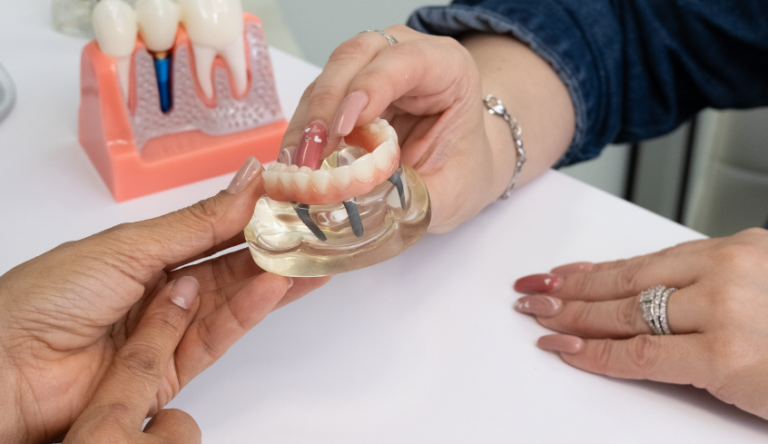
Deciding between saving a tooth or proceeding with extraction involves multiple factors — including your age, medical history, bite condition, and oral hygiene. A thorough clinical exam and X-rays allow your prosthodontist to compare traditional restorative care (like root canals) against modern replacement options, such as dental implants — which often provide a more predictable long-term solution when a tooth is no longer viable.
Takeaway:
Your natural teeth are always worth protecting when possible, but a clinical decision based on experience and precise evaluation ensures the best long-term outcome for your oral health.